Education Should Never Be a Privilege Reserved for Some
When parents send their children to school, they hope education will unlock opportunities, inspire confidence, and create a brighter future. Schools are meant to be places where every child can learn, grow, and discover their potential.
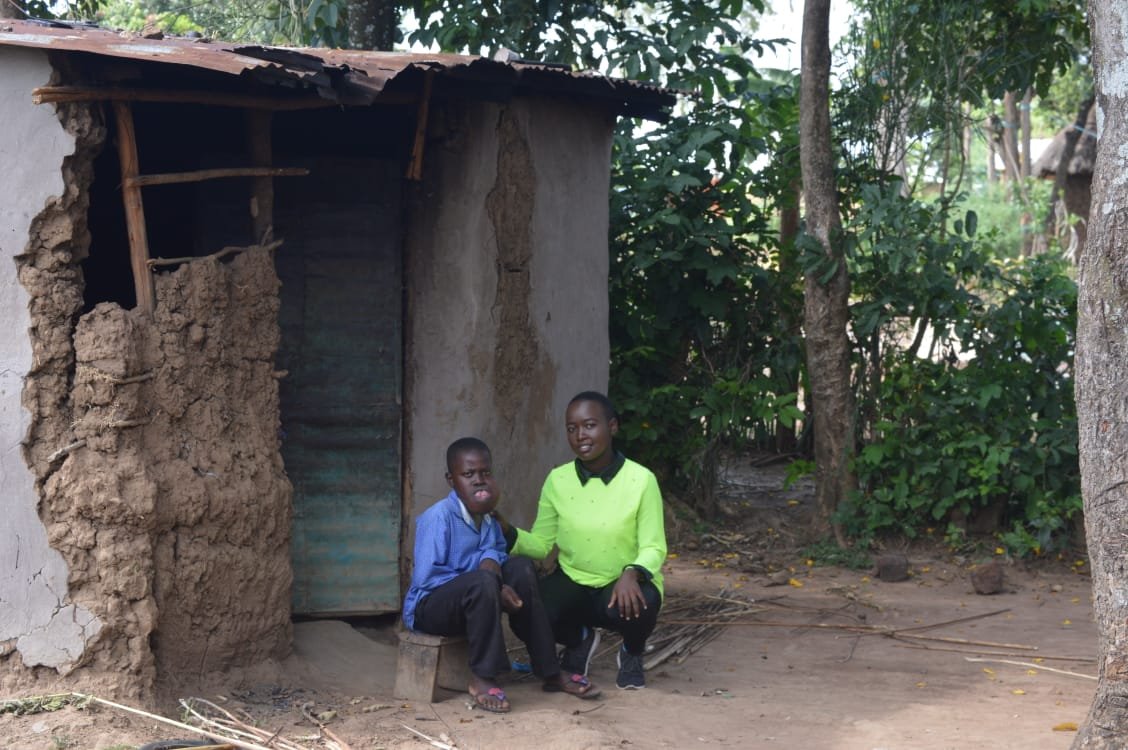
But for many children living with disabilities in Kenya and across Africa, simply getting into a classroom can be one of the biggest challenges they face.
Imagine arriving at school only to discover there is no ramp to enter the building. Or trying to follow a lesson when you cannot hear the teacher clearly and there is no sign language support. Imagine using a wheelchair but finding inaccessible toilets, narrow corridors, and uneven pathways that make moving around school almost impossible.
These are realities that many learners experience every day.
Disability inclusion is often viewed as a specialised issue affecting only a small group of people. In reality, it is about creating learning environments where everyone has the opportunity to succeed.
Inclusive schools are not simply better for children with disabilities—they are better for every learner.
“There is no greater disability… than the inability to see a person as more..
JRobert M. Hensel
Understanding Disability Beyond the Medical Model
For many years, disability was viewed primarily as a medical condition that needed to be treated or “fixed.”
Today, there is a growing understanding that disability is often created by barriers within society rather than by an individual’s condition alone.
A child who uses a wheelchair is disabled not because they cannot walk, but because buildings are designed without ramps or accessible entrances.
A learner with visual impairment is disadvantaged not because they cannot see, but because educational materials are unavailable in accessible formats.
A student with hearing impairment struggles not because they cannot hear, but because communication systems fail to accommodate them.
This shift in thinking encourages communities to ask a different question.
Instead of asking:
“How do we change the child?”
We begin asking:
“How do we change the environment?”
That simple change transforms the conversation from charity to inclusion.
The Reality in Kenya
Kenya has made significant progress in recognising the rights of persons living with disabilities.
The Constitution of Kenya guarantees equality and freedom from discrimination. The country has also developed policies that support inclusive education and has committed itself to international frameworks that promote equal access to education.
Despite these commitments, implementation remains uneven.
Across many counties, schools still struggle with:
Limited accessible infrastructure
Inadequate learning materials
Insufficient teacher training
Limited assistive technology
Financial constraints
Social stigma surrounding disability
The challenge is even greater in rural communities where resources are often limited.
Many families travel long distances searching for schools that can adequately support their children.
Others simply keep children at home because suitable learning environments are unavailable.
This represents a tremendous loss—not only for those children but for society as a whole.
Disability Does Not Limit Potential
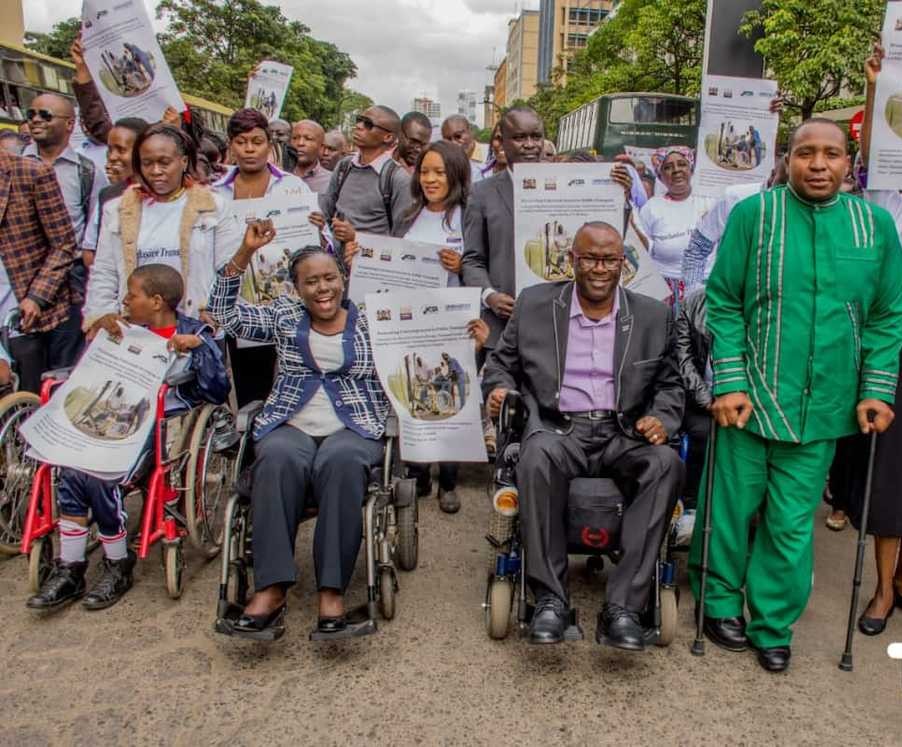
History has shown that disability has never prevented people from making extraordinary contributions.
Across Africa and around the world, people living with disabilities continue to excel as:
- Teachers
- Doctors
- Lawyers
- Engineers
- Entrepreneurs
- Artists
- Scientists
- Athletes
- Public servants
What they often need is not sympathy.
They need opportunity.
Education is where that opportunity begins.
Every child who receives quality education becomes better equipped to participate in society, contribute economically, and live independently.
Accessibility Benefits Everyone
One of the biggest misconceptions about accessibility is that it benefits only persons with disabilities.
In reality, inclusive design improves life for everyone.
Consider a school with:
- Ramps instead of only stairs
- Wide pathways
- Accessible toilets
- Clear classroom signage
- Good lighting
- Comfortable learning spaces
Who benefits?
Parents pushing strollers.
Teachers transporting equipment.
Learners with temporary injuries.
Older visitors.
Delivery personnel.
Students with disabilities.
Accessibility makes spaces easier and safer for everyone.
That is why inclusive infrastructure should be viewed as an investment rather than an expense.
Beyond Buildings: Creating Inclusive Learning Environments
True inclusion goes beyond ramps and buildings.
Children thrive when schools create cultures of belonging.
This means ensuring every learner feels respected, valued, and supported.
Inclusive education includes:
- Teachers trained in diverse learning needs
- Flexible teaching methods
- Accessible learning materials
- Positive peer relationships
- Anti-bullying programmes
- Individualised support where needed
When classrooms become inclusive, students also learn empathy, cooperation, and respect for diversity.
These are life skills that extend far beyond school.
The Hidden Barrier: Stigma
Physical barriers are often easier to identify than social barriers.
One of the greatest obstacles facing children living with disabilities remains stigma.
Across some communities, disability is still misunderstood.
Families may experience:
- Social isolation
- Negative stereotypes
- Low expectations
- Discrimination
- Exclusion from community activities
Children quickly absorb these attitudes.
When society tells a child they cannot succeed, confidence begins to diminish long before opportunity arrives.
Changing attitudes therefore becomes just as important as changing infrastructure.
Communities must celebrate ability rather than focus only on disability.
Why Early Inclusion Matters
Children naturally learn acceptance when diversity becomes part of everyday life.
Learners who grow up studying alongside classmates with different abilities often become adults who value inclusion in workplaces, businesses, and communities.
Inclusive schools therefore shape more inclusive societies.
Rather than creating separate worlds, education brings children together.
This benefits everyone.
Technology Is Transforming Accessibility
Technology is opening new possibilities for learners with disabilities.
Today, students can benefit from:
- Screen readers
- Speech-to-text software
- Digital textbooks
- Audiobooks
- Captioned educational videos
- Assistive communication devices
- Accessible educational applications
These innovations allow many learners to participate more fully than ever before.
However, access remains unequal.
Schools require investment not only in technology but also in teacher training to ensure these tools are used effectively.
Communities Must Become Partners
Creating disability-inclusive schools is not the responsibility of government alone.
Parents, community organisations, businesses, faith institutions, NGOs, and local leaders all have important roles to play.
Communities can support inclusion by:
- Building ramps and accessible pathways
- Supporting schools with assistive equipment
- Sponsoring inclusive learning materials
- Promoting disability awareness
- Challenging discrimination
- Encouraging volunteer programmes
- Mentoring learners with disabilities
Real change happens when inclusion becomes everyone’s responsibility.
Why Inclusion Makes Economic Sense
Inclusion is often discussed from a human rights perspective—and rightly so.
But it is also an economic issue.
When children with disabilities receive quality education, they are more likely to:
- Gain employment
- Start businesses
- Contribute taxes
- Reduce dependency
- Support families
- Participate in community leadership
Conversely, excluding millions of capable people from education limits national productivity.
Inclusive education is therefore an investment in Kenya’s future workforce.
Our Commitment to Disability Inclusion
At Change A life Initiative, we believe every child deserves to learn in an environment that respects their dignity and supports their potential.
Through our Disability Inclusion Programme, we work to transform public spaces—particularly schools—into environments that are accessible and welcoming for learners living with disabilities.
Our work focuses on practical solutions that improve everyday experiences, including advocating for disability-friendly infrastructure, promoting inclusive learning spaces, and raising awareness within communities.
True inclusion happens when barriers are removed before they prevent opportunity.
Looking Ahead
Kenya has made important progress toward recognising the rights of persons living with disabilities.
The next step is ensuring these commitments become reality in every school, every community, and every county.
Creating inclusive schools is not about doing something extraordinary.
It is about ensuring ordinary opportunities are available to everyone.
A classroom should never determine a child’s future because of inaccessible doors, missing resources, or outdated attitudes.
When we build schools that welcome every learner, we build communities that value every person.
And when every child has the opportunity to participate fully, Kenya moves one step closer to becoming a society where ability—not barriers—defines potential.